
6 Jun 2026 By May Ng
Tea WG Unveils 2026 Darjeeling First Flush Tea — The “Champagne of Teas” Returns
Each spring, as the first tender leaves appear across the mist-veiled slopes of Darjeeling, Tea WG journeys to the Himalayan foothills in pursuit of the season’s most coveted first flush harvests.
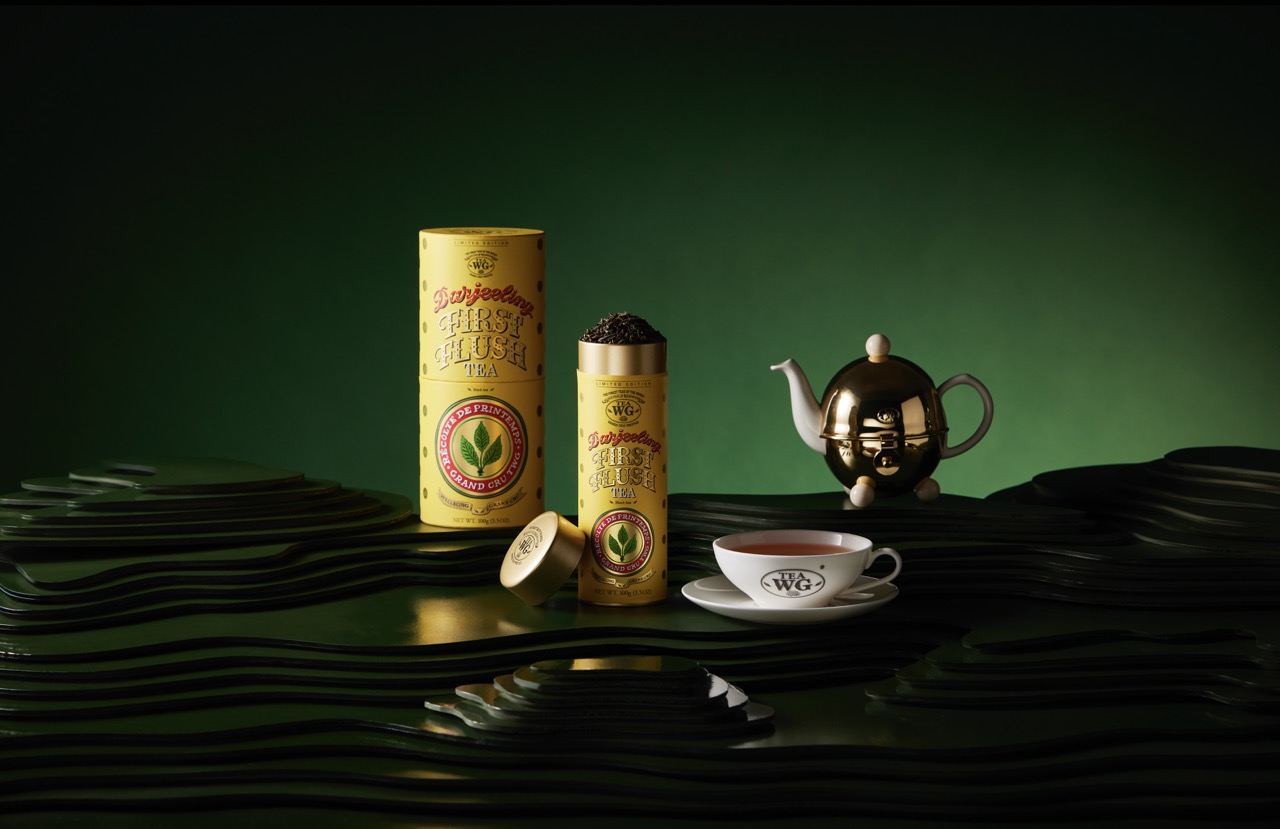
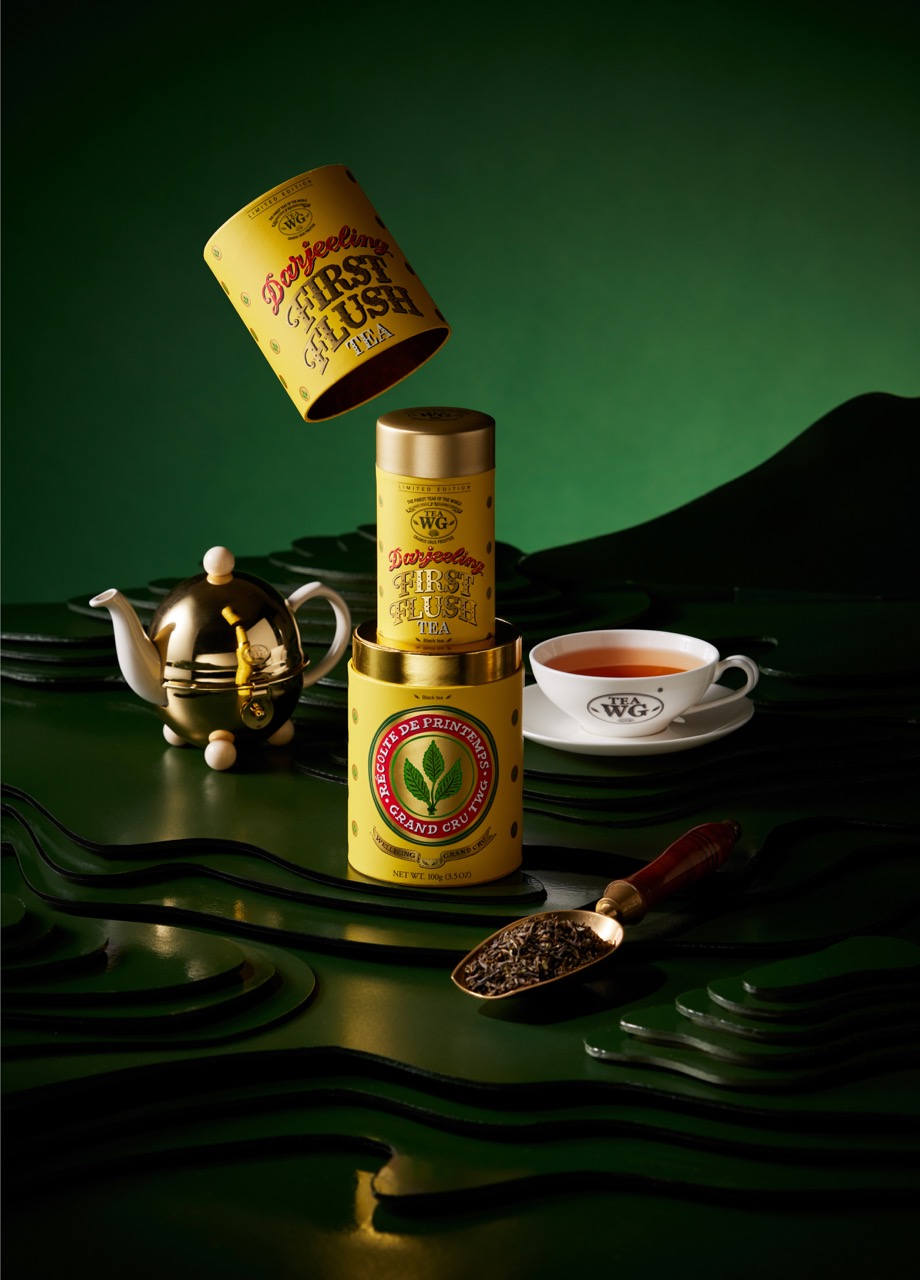
This year, the luxury tea house unveils its limited-edition 2026 Darjeeling First Flush Tea from the Grand Mode Tea Collection. Revered by connoisseurs as the “Champagne of Teas”, this high-grown infusion opens with notes of ripe orchard fruits and toasted nuts, unfolding with layered complexity and a clean, lingering finish. Presented in a collector’s tea tin rendered in imperial yellow and gold, it is a refined celebration of spring, terroir and craftsmanship.
Highly prized by collectors and connoisseurs alike, Darjeeling remains home to some of the world’s most celebrated black teas. Set in the Himalayan foothills, where dramatic terrain meets generations of cultivation, the region’s unique terroir — defined by cool temperatures, elevations of up to 2,500 metres, distinctive soil and seasonal rainfall — gives each cup a clarity and complexity that cannot be replicated elsewhere.
The Unique Terroir of Darjeeling
Darjeeling’s first flush marks the earliest harvest of the year, produced in limited quantities and treasured for its precision and clarity of flavour. Shaped by the region’s high-altitude terroir and cool spring climate, each harvest is deeply influenced by shifting weather conditions, from morning mist to early rainfall.
Among the most labour-intensive teas in the world, these leaves are hand-picked at first light by tea harvesters moving across narrow slopes, selecting only the youngest shoots according to the exacting standard of two leaves and a bud. It takes approximately 20,000 to 22,000 shoots to produce just one kilogram of tea. Capturing this narrow spring window at its peak, the 2026 Darjeeling First Flush Tea is an ephemeral harvest defined by a single season and offered only in limited quantities worldwide.
Behind Every Fine Cup of Darjeeling Tea
Behind every cup of Darjeeling tea is a network of skilled growers and workers whose expertise shapes each harvest, from the timing of picking to the delicate handling of tea leaves. Tea WG works closely with its partner gardens, supporting the communities that sustain these estates and preserve their cultivation traditions across generations.
On one Tea WG partner estate in Darjeeling, primary schools provide education for children, while community centres host social activities. On another, an onsite hospital and hospice offer medical support, while cows are distributed to staff members as a source of milk and supplementary income for their families — helping to support long-term stability within the tea-growing community.